
Massage Versus Foam Rolling: Which Helps More?
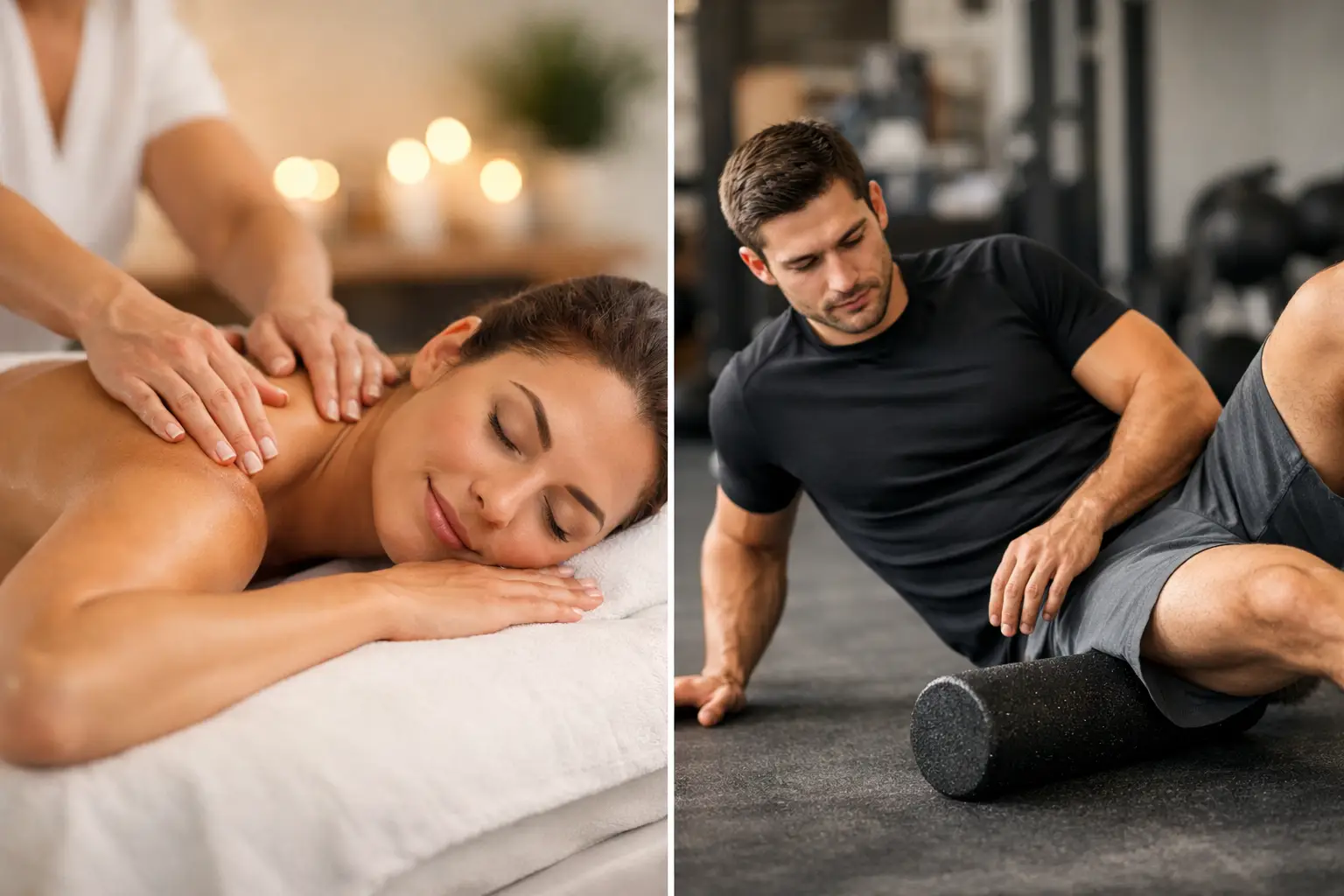
A tight calf after a run, stiff shoulders after a long workday, or a nagging ache that keeps returning can make one question feel urgent: massage versus foam rolling – which one will actually help? Both can be valuable tools for easing muscle tension and improving how you move, but they are not interchangeable. The best choice depends on what is bothering you, what your body needs that day, and whether there may be an injury beneath the stiffness.
Foam rolling gives you a practical way to manage everyday muscle tightness at home. Massage offers hands-on assessment and treatment from a trained professional who can adapt the approach in real time. For many active adults, the strongest plan is not choosing one forever. It is knowing when to use each.
Massage Versus Foam Rolling: The Key Difference
Foam rolling is a form of self-myofascial release. You use your body weight against a roller to apply pressure to muscles and the tissue around them. It is affordable, accessible, and easy to fit into a warm-up, cool-down, or mobility routine.
Massage therapy is more individualized. A Registered Massage Therapist can assess the areas contributing to your discomfort, adjust pressure and techniques, and treat muscles that are difficult to reach safely on your own. Treatment may include work focused on relaxation, circulation, soft-tissue tension, movement restrictions, and recovery from activity.
Neither approach should be viewed as a way to “break up” scar tissue or force a painful muscle to release. Muscles respond best to thoughtful, tolerable input. More pressure is not automatically more effective.
When Foam Rolling Is a Good Choice
Foam rolling is especially useful when your muscles feel generally stiff or fatigued after exercise, prolonged sitting, travel, or a demanding day. A brief session may improve short-term range of motion and help you feel more prepared to move.
It can work well before activity when used gently and with purpose. For example, a runner may roll the calves, quads, glutes, and upper back for 30 to 60 seconds per area before a dynamic warm-up. After training, slower rolling can be part of a recovery routine if it feels good and does not increase symptoms.
The key is to stay off sharp pain. Aim for moderate pressure that you can breathe through, rather than grimacing and holding your breath. Move slowly, pause on a sensitive area for a few breaths if comfortable, then continue. Two or three passes are usually enough. Spending 20 minutes aggressively rolling one spot rarely produces better results and can leave the area irritated.
Foam rolling is also a useful maintenance tool between appointments. If you know that your hip muscles tighten after cycling or your upper back stiffens at your desk, a consistent five-minute routine can support the mobility work and strengthening program prescribed by your clinician.
Areas to approach carefully
Avoid rolling directly over joints, bones, the front or side of the neck, the low back, open wounds, varicose veins, or areas with reduced sensation. Direct pressure on a fresh injury, significant bruise, swollen area, or suspected stress fracture is not appropriate.
The iliotibial band deserves a special mention. Rolling directly along the outside of the thigh can be very painful and does not necessarily address the reason for lateral knee or hip symptoms. Often, the surrounding hip and glute muscles, training load, running mechanics, or footwear deserve more attention.
When Massage May Be the Better Option
Massage is often the better choice when pain is specific, recurring, or affecting your ability to work, sleep, train, or enjoy normal activity. It is also valuable when you are unsure why you feel tight. What feels like a stubborn hamstring may be influenced by hip mobility, pelvic control, a change in training volume, or referred symptoms from the low back.
A massage therapist can work around sensitive structures, assess how tissues respond, and modify treatment based on your goals. If you are preparing for an event, recovering from a demanding season, managing stress-related tension, or returning to activity after an injury, that individualized approach matters.
Massage can also reach areas that are difficult to treat with a roller, including the neck, jaw, forearms, chest, hands, and smaller muscles around the shoulder blade. For office professionals with persistent upper-back and neck tension, a roller may help temporarily, but treatment combined with posture strategies, movement breaks, and strengthening is often more useful over time.
At Momentum Therapy, massage care can also be coordinated with physiotherapy, chiropractic care, acupuncture, or a running assessment when your symptoms call for a broader recovery plan. That is particularly helpful when muscle tension is not the whole story.
What the Research Means for Real Recovery
Both massage and foam rolling can reduce the feeling of delayed-onset muscle soreness for some people and may create short-term improvements in flexibility or range of motion. Those effects can make movement more comfortable, which is meaningful when you are trying to return to your routine.
However, neither is a substitute for addressing the cause of a problem. If your shoulder keeps tightening because of poor load tolerance, a weak rotator cuff, or repetitive work demands, repeated rolling may provide relief without changing the pattern. The same applies to a runner who repeatedly develops calf pain after increasing mileage too quickly.
Lasting progress typically comes from combining symptom relief with the right next step: targeted strength work, graded return to sport, mobility drills, changes in training load, ergonomic adjustments, sleep, and recovery habits. Hands-on care can help create a window where these steps feel more manageable. Your active plan helps make that improvement stick.
How to Choose Based on Your Situation
If you have broad, predictable muscle soreness and want a convenient tool before or after activity, start with foam rolling. Keep the pressure reasonable, pair it with active movement, and notice whether it helps you move more comfortably.
If your symptoms are persistent, one-sided, worsening, or limiting your function, book an assessment rather than trying to roll through it. The same applies if pain began after a fall, collision, sudden twist, or a distinct pop. A clinician can help determine whether massage is appropriate and whether you would benefit from another form of care.
Massage may also be the right starting point if you have tried stretching and foam rolling without lasting improvement. This does not mean the roller failed. It may simply mean you need a more specific assessment and a plan that reflects your body, activity demands, and recovery goals.
A Better Way to Use Both
Think of foam rolling as a self-care tool and massage as personalized clinical support. Use the roller for brief, regular maintenance instead of saving it for a painful flare-up. Then use massage strategically when tension is building, recovery is lagging, or symptoms are affecting performance and daily life.
For example, an active adult with tight calves might use gentle rolling after walks or runs, complete prescribed calf and hip strengthening, and schedule massage during periods of heavier training. A desk-based professional with recurring neck tension may use a roller for the upper back, take short movement breaks during the day, and receive massage to address persistent soft-tissue sensitivity while working on a sustainable exercise plan.
Pay attention to your response over the next 24 hours. You should generally feel the same or better after either approach. If soreness becomes noticeably worse, numbness or tingling appears, swelling increases, or pain changes your gait, stop self-treatment and seek professional guidance.
Your recovery does not need to be a choice between a foam roller and a treatment table. The right option is the one that helps you move with less discomfort, understand what your body is asking for, and build confidence in the activities you enjoy. Start where you are, stay consistent, and ask for support when the same issue keeps getting in your way.