
Richmond Hill Shockwave Therapy for Lasting Relief
A sore heel that bites with your first steps in the morning. An Achilles tendon that still complains after you have rested, stretched, and reduced your runs. An elbow that makes lifting a coffee mug feel surprisingly difficult. These are the stubborn problems that often bring people to ask about Richmond Hill shockwave therapy.
Shockwave therapy is not a shortcut or a one-size-fits-all treatment. It is a focused treatment option that may help certain long-standing tendon and soft-tissue conditions when paired with an accurate assessment and a progressive rehabilitation plan. For active adults, busy professionals, and athletes in York Region, that combination can create a clearer path back to comfortable movement.
What Shockwave Therapy Is Designed to Do
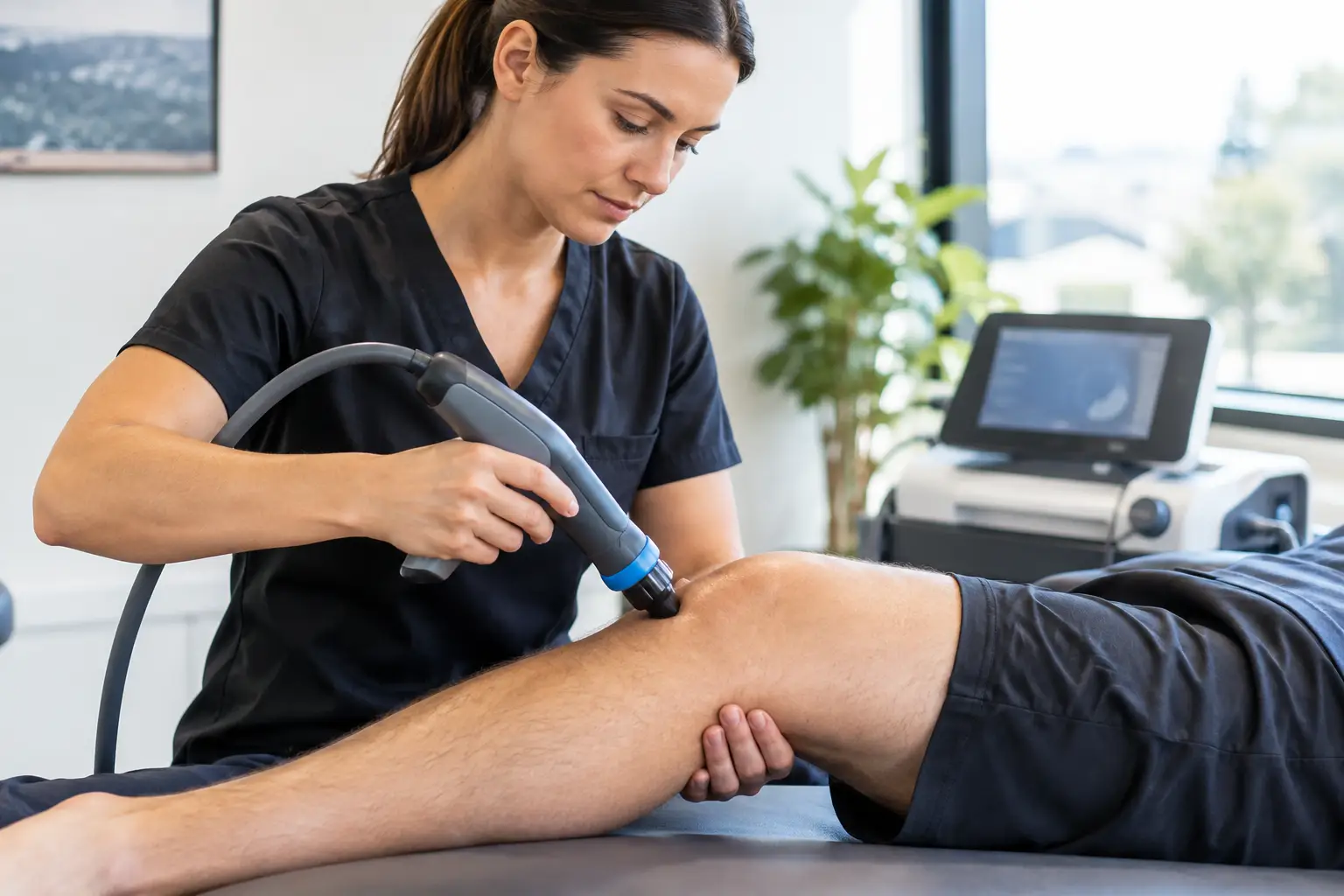
Despite the name, shockwave therapy does not involve electrical shocks. A trained provider uses a handheld device to deliver acoustic pressure waves to a targeted area of tissue. These waves are intended to stimulate the body’s healing response, increase local circulation, and support tissue remodeling in areas that have become slow to recover.
The treatment is commonly considered for chronic tendon-related pain and some soft-tissue conditions. It is most often used when symptoms have persisted despite initial measures such as activity modification, basic stretching, or home exercises. The goal is not simply to quiet pain for a few hours. It is to help create an environment where the tissue can tolerate a carefully progressed return to loading and movement.
That last point matters. Tendons are built to transfer force, whether you are walking upstairs, swinging a racquet, lifting at work, or pushing off during a run. When a tendon is painful, complete rest can sometimes make it less prepared for those demands. The right plan usually balances symptom relief with gradual, appropriate loading.
Conditions That May Respond to Shockwave Therapy
A clinical assessment should always come first, because the same body part can hurt for very different reasons. However, shockwave therapy is frequently used as part of care for conditions such as plantar fasciitis, Achilles tendinopathy, tennis elbow, golfer’s elbow, patellar tendinopathy, and certain shoulder tendon concerns.
Plantar fasciitis is a common example. Many people describe a sharp or bruised feeling under the heel that is worse after rest and eases somewhat as they move around. Footwear, walking volume, calf strength, ankle mobility, and foot mechanics can all influence the problem. Shockwave treatment may be appropriate, but it works best when those contributing factors are addressed as well.
For runners, Achilles or patellar tendon pain can be particularly frustrating because it often appears just as training is building. A provider may look beyond the painful spot to assess training volume, running mechanics, lower-body strength, recovery habits, and the way symptoms behave during and after activity. Treatment should support your goal, whether that is walking without a limp, returning to weekend soccer, or preparing for a race.
What a Richmond Hill Shockwave Therapy Visit Feels Like
Your first appointment should begin with questions, not a device. A therapist will review your symptoms, relevant health history, movement goals, and what you have already tried. They may assess range of motion, strength, tenderness, and how the painful area responds to movement or load. This helps determine whether shockwave therapy is suitable and where it fits within your care plan.
During treatment, gel is applied to the skin and the device is moved over the selected area. You may feel rhythmic tapping or pulsing. The sensation can be uncomfortable, especially over a sensitive tendon or heel, but treatment intensity can be adjusted. Clear communication matters. Your therapist should work within a tolerable range while still delivering an effective treatment dose.
Sessions are generally brief, often lasting only several minutes for the shockwave portion. The overall appointment may also include hands-on care, mobility work, education, or exercises based on your needs. Many treatment plans involve a series of visits spread over several weeks, though the number and timing depend on the condition, how long it has been present, and your response to care.
Some people notice temporary soreness or redness afterward. This is usually mild and short-lived. You may be advised to avoid high-impact activity for a short period, particularly if the area is very reactive, while continuing the specific movement plan recommended by your therapist.
Why Exercise Still Matters
Shockwave therapy can be a valuable tool, but it does not replace rehabilitation. A painful tendon often needs a better capacity for the demands placed on it. That is where targeted exercise becomes essential.
For example, someone with Achilles pain may need a gradual calf-strengthening program before returning to hills or speed sessions. Someone with lateral elbow pain may benefit from grip and forearm strengthening while temporarily changing how they lift, type, or play a racquet sport. A person with heel pain may need calf mobility work, foot-strength exercises, and guidance on footwear or orthotics.
The best program is specific enough to be useful and realistic enough to follow. If you work long hours, have young children, or are managing a sports schedule, your plan should account for that. Small, consistent steps usually produce better results than an overly ambitious routine that is abandoned after a week.
At Momentum Therapy, shockwave care can be coordinated with physiotherapy, chiropractic care, massage therapy, acupuncture, running assessments, and custom orthotics when clinically appropriate. The advantage of a multidisciplinary setting is not that everyone needs every service. It is that your treatment can be adjusted around the factors actually limiting your progress.
Who Should Wait or Choose Another Option?
Shockwave therapy is not right for every painful condition. New injuries with significant swelling, a suspected fracture, a complete tendon tear, infection, certain circulation concerns, or pain that has not been properly assessed may require a different approach. Your provider will also review factors such as pregnancy, medications, implanted devices, and any relevant medical history before recommending treatment.
It is also worth being realistic about timelines. Chronic tendon pain rarely disappears overnight, even when treatment is well chosen. Some people feel improvement after a few sessions; others notice gradual gains over several weeks as treatment and exercise begin to add up. If symptoms worsen, change significantly, or are accompanied by unexplained numbness, weakness, fever, or inability to bear weight, seek prompt medical assessment.
How to Get Better Results From Treatment
Your role between appointments has a real impact. Follow the loading or exercise recommendations, even when the improvement feels slow. Keep your therapist informed about changes in pain, training, work demands, and recovery. A plan can only be tailored when it reflects what is actually happening in your week.
Avoid the temptation to test the injury at full intensity after one good day. Tendons often improve in a non-linear way, with better and worse days along the path. Progressing activity in measured steps gives the tissue time to adapt and helps protect the gains you are making.
Supportive habits count too. Comfortable, appropriate footwear, adequate sleep, sensible training progression, and enough recovery between demanding sessions can all influence how your body responds. If a brace, orthotic, or temporary activity modification is recommended, view it as a bridge toward stronger, more confident movement, not a permanent limitation.
A Practical Next Step for Persistent Pain
If heel, elbow, knee, or tendon pain has been hanging around long enough to change how you walk, work, train, or sleep, it is worth getting a clear assessment. Richmond Hill shockwave therapy may be part of the answer, but the most effective care begins with understanding the source of the problem and building a plan around your goals.
You do not have to keep negotiating with pain every time you take the stairs or lace up your shoes. With the right guidance, consistent rehabilitation, and a treatment approach matched to your condition, comfortable movement can become something you trust again.