
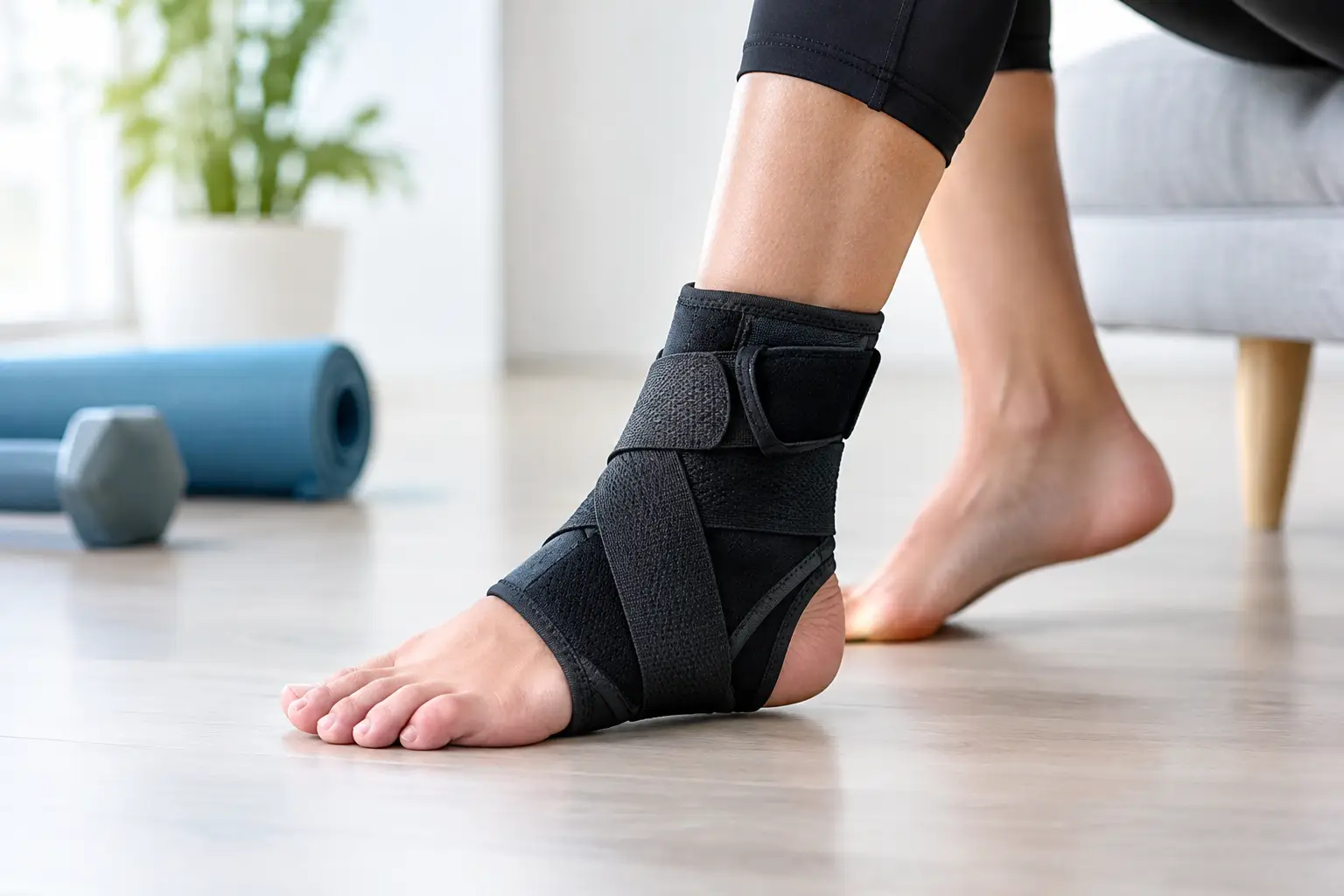
Best Braces for Ankle Support and Recovery
A rolled ankle can feel minor in the moment, then become a lingering problem when you return to walking, work, or sport too quickly. The best braces for ankle support can help protect a vulnerable joint, improve confidence during movement, and reduce the chance of another awkward twist. The right choice, however, depends on why your ankle needs support in the first place.
An ankle brace should not simply make your foot feel tightly wrapped. It should offer the level and direction of support your injury, activity, and recovery stage require while still allowing you to move well. A brace that is too restrictive can alter your gait, while one that is too loose may offer little meaningful protection.
What an ankle brace is designed to do
Most ankle sprains happen when the foot rolls inward, stressing the ligaments along the outside of the ankle. A brace can limit the excessive motion that commonly causes this reinjury while allowing more normal up-and-down movement for walking, running, or training.
Supportive bracing may be useful after an acute sprain, during a return to court or field sports, or when chronic ankle instability makes you feel as though the joint may “give way.” It can also be helpful for certain tendon irritations or during periods when you are on your feet for long shifts. Still, a brace is one part of recovery, not a replacement for restoring strength, balance, mobility, and control.
If you cannot take four steps, have significant swelling or deformity, feel numbness, or have pain directly over the ankle bones, seek a timely clinical assessment. Those symptoms may require more than a brace.
Best braces for ankle support by need
Compression sleeves for mild soreness and swelling
An elastic compression sleeve is often the simplest option. It provides gentle, even pressure around the ankle and can feel comfortable inside a roomy shoe. For mild swelling, achiness after activity, or reassurance during lower-impact exercise, a sleeve may be enough.
Its trade-off is limited protection against rolling the ankle. Compression sleeves do not provide the same side-to-side control as structured braces, so they are usually not the best standalone choice after a moderate sprain or for sports involving jumping, cutting, and rapid direction changes.
Look for a sleeve that feels snug without creating tingling, numbness, toe discoloration, or deep marks in the skin. If swelling changes through the day, you may need to adjust the fit rather than forcing a smaller size.
Lace-up braces for active recovery
Lace-up ankle braces are a popular middle ground for people returning to recreational sports, gym workouts, hiking, or active work. Their laces let you adjust compression through the foot and ankle, while straps that cross around the joint add meaningful support against excessive inward rolling.
For many people recovering from a lateral ankle sprain, this style offers a practical balance: enough stability to make activity feel safer without completely immobilizing the ankle. It is also typically less bulky than a rigid brace.
Fit matters more than the label. The heel should sit securely in the opening, the brace should stay in place as you walk, and it should fit inside the shoes you actually wear for your activity. A brace that only fits inside one pair of oversized sneakers is less likely to be used consistently.
Semi-rigid braces for higher-risk movement
Semi-rigid braces generally use plastic shells, stirrups, or reinforced side panels to control side-to-side movement. They are often a strong option early after a more significant sprain, or for athletes with repeated ankle sprains who need added protection during high-risk sport.
This higher level of control comes with compromises. Semi-rigid braces can feel bulkier, may not fit easily in narrow footwear, and can be uncomfortable if they press on tender areas. They are not automatically “better” for everyone. If your goal is to return to ordinary walking with a normal gait, the least restrictive brace that provides adequate support is often the more useful choice.
Walking boots for short-term protection
A walking boot is not a typical athletic ankle brace. It limits motion substantially and is generally used when an injury needs short-term protection, such as a more severe sprain, certain fractures, or specific tendon conditions. A boot should be selected and monitored by a qualified clinician, especially if pain is severe or the diagnosis is unclear.
Wearing a boot longer than necessary can lead to stiffness, calf weakness, and changes in how you walk. If a boot is part of your plan, ask what milestones should guide your transition back to supportive footwear, bracing, and rehabilitation exercises.
How to choose the right level of support
Start with the activity you are trying to return to. Walking the dog on level sidewalks calls for a different approach than playing basketball, soccer, tennis, or trail running. Sports with cutting, jumping, uneven terrain, or contact place greater demands on ankle stability.
Next, consider your symptoms. Mild discomfort without a feeling of instability may respond well to a compression sleeve and progressive exercise. If your ankle repeatedly rolls, feels unreliable on stairs, or swells after activity, a lace-up or semi-rigid option may be more appropriate while you rebuild strength and balance.
Your footwear is another deciding factor. A supportive shoe with a firm heel counter can work with many braces, while soft slip-on shoes provide less overall control. Bring the shoes you plan to wear when trying on a brace whenever possible. The combination matters.
Finally, do not ignore comfort. Skin irritation, pressure points, numbness, and worsening pain are signs the fit or style needs to change. Braces should feel secure, not punishing.
A brace works best with ankle rehabilitation
The biggest mistake after an ankle sprain is treating the absence of pain as proof that the ankle is ready for everything. Ligaments may be healing, but the muscles and nervous system that help you react to uneven ground can still be underprepared.
A progressive rehabilitation plan commonly includes restoring ankle range of motion, strengthening the calf and muscles around the ankle, and practicing balance in positions that match your daily life or sport. As your control improves, your clinician may progress you from simple standing balance to hopping, landing, and direction-change drills.
This is where bracing becomes a useful tool rather than a crutch. You may wear it during higher-risk activities while gradually building the capacity to move confidently without depending on it all day. The timing varies. Someone with a first mild sprain may need brief support, while a runner with years of repeated sprains may benefit from a longer, more structured plan.
When a custom brace may be worth considering
Off-the-shelf braces work well for many people, but they are not always the best fit. A custom brace may be considered when ankle shape, swelling patterns, previous injuries, arthritis, footwear demands, or ongoing instability make standard sizing ineffective.
An assessment can also identify whether the issue is truly the ankle. Pain near the arch, heel, Achilles tendon, knee, hip, or lower back can change how you load the foot and may influence which support strategy makes sense. In some cases, custom orthotics, footwear guidance, or targeted rehabilitation may be more valuable than choosing a stronger brace.
At Momentum Therapy, a clinician can assess your ankle movement, strength, balance, walking pattern, and sport or work demands to help match you with a support plan that fits your goals. The aim is not simply to hold the ankle still. It is to help you return to the activities that matter with better control and confidence.
A good ankle brace can provide reassurance when you need it most, but your long-term progress comes from regaining the strength and stability to trust every step again.