
Are Orthotics Necessary? A Clear Answer
A shoe can feel perfectly fine during a quick walk through the store, then leave your arches aching halfway through a workday or long run. That disconnect is why the question, are orthotics necessary, deserves more than a quick yes or no. The right answer depends on your symptoms, how you move, the demands you place on your body, and what is actually driving the problem.
Orthotics can be a valuable part of a recovery or performance plan. They are not, however, a cure-all for every sore foot, cranky knee, or tight lower back. A thoughtful assessment helps determine whether support under the foot is likely to help, what kind of support makes sense, and what other treatment may be needed alongside it.
What Orthotics Actually Do
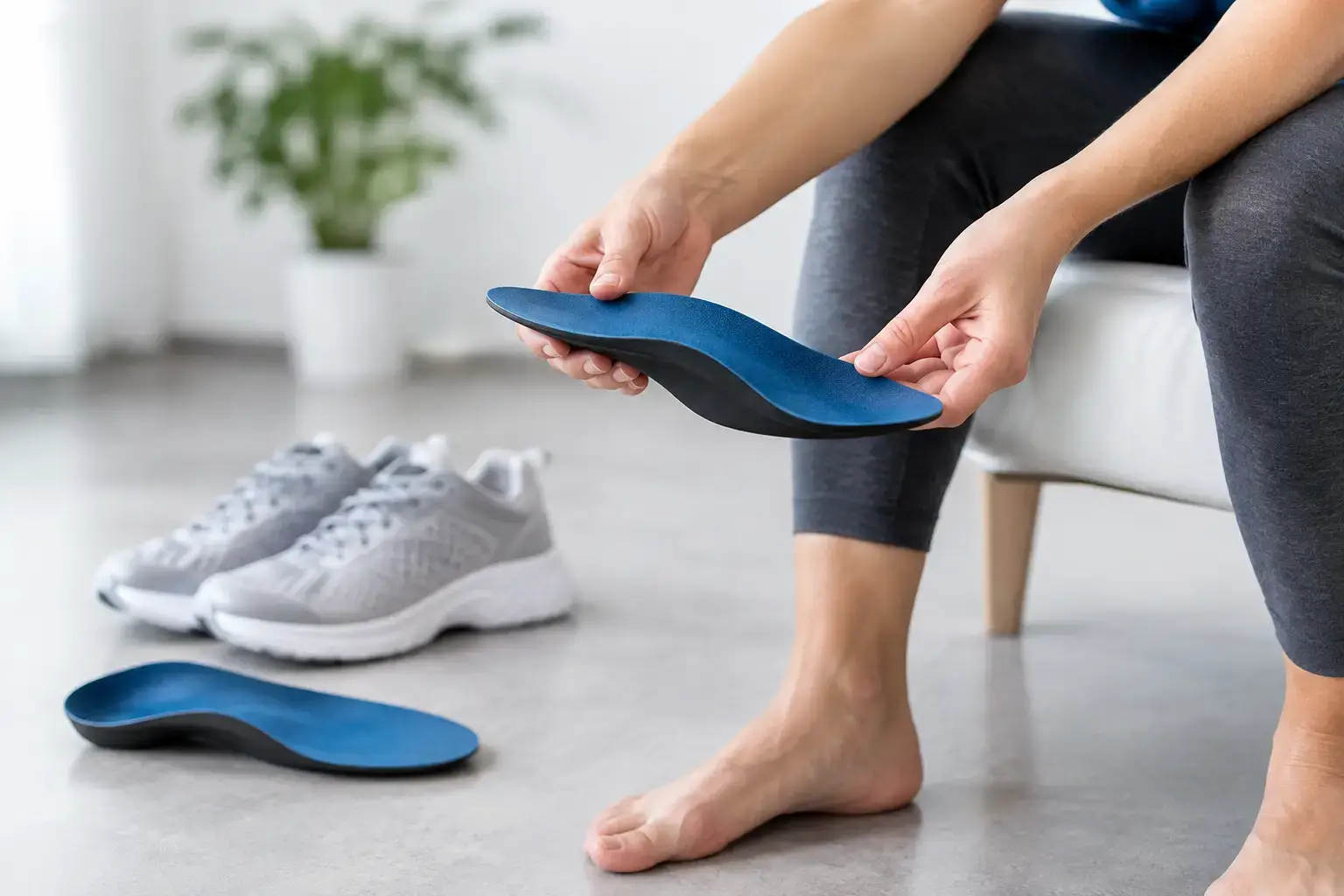
Orthotics are inserts worn inside shoes to improve comfort, support the foot, redistribute pressure, or influence how forces travel through the foot and lower leg. Custom orthotics are made from an assessment of your feet, posture, walking pattern, footwear, and symptoms. They are different from generic insoles sold off the shelf, although a quality prefabricated insert can be useful in some situations.
The goal is not to force every foot into a perfectly rigid position. Your feet need to move, adapt, and absorb load. A well-designed orthotic aims to support that function where it is limited or where repeated loading is contributing to pain.
For example, an orthotic may reduce pressure under a painful area of the forefoot, provide cushioning for someone who spends hours on hard floors, or offer more stability when the foot rolls inward more than the tissues can comfortably manage. For runners, it may be one tool for managing training load while addressing strength, mobility, and running mechanics.
Are Orthotics Necessary for Pain?
Sometimes, yes. Often, no. More accurately, orthotics may be necessary when they address a clear mechanical need that cannot be managed well enough through footwear changes, activity modification, rehabilitation, or other conservative care alone.
They are commonly considered for concerns such as plantar heel pain, recurring arch pain, painful flat feet, certain tendon irritations, metatarsalgia, bunions that are aggravated by shoe pressure, and pain related to arthritis or uneven loading. They may also be helpful for people with a noticeable leg-length difference or structural foot characteristics that affect comfort and function.
Pain farther up the chain can matter too. The foot is your contact point with the ground, so its movement can influence forces at the ankle, knee, hip, and lower back. But this does not mean that every knee or back problem begins in the feet. A runner with knee pain may benefit more from adjusting mileage and strengthening the hips than from an insert. A person with back pain may need a focused movement and rehabilitation plan rather than a new pair of orthotics.
That is why a good clinician starts with the whole picture. Where does it hurt? What movements bring it on? Did the pain start after new shoes, longer shifts, a jump in running distance, or an injury? How do your joints move, and how does your body respond when you walk, squat, climb stairs, or run?
Signs an Assessment May Be Worthwhile
Persistent pain is the clearest reason to seek guidance, especially if it keeps returning when you increase activity. You may also benefit from an orthotic assessment if one shoe consistently wears down faster, you feel unstable on one side, or you have trouble finding footwear that remains comfortable through a full day.
For active adults, symptoms that appear only after a certain distance or intensity are worth investigating. You may feel fine for the first few miles of a run, then develop arch tightness, shin discomfort, or aching around the knee. That pattern can point to a load-management issue, a strength deficit, footwear mismatch, or a need for more support. It is rarely useful to guess based on one factor alone.
Children and teens should also be assessed individually. Flexible flat feet are common and often painless. Orthotics are generally considered when there is pain, fatigue, limited participation, or another specific functional concern, not simply because an arch looks low.
Custom Orthotics vs. Store-Bought Insoles
An over-the-counter insole can be a sensible first step for mild discomfort, temporary cushioning needs, or shoes that simply lack support. It is affordable, easy to try, and may be all that is needed for someone whose symptoms settle with a better shoe and a gradual return to activity.
Custom orthotics are more appropriate when symptoms are persistent, the foot shape or mechanics are more complex, pressure needs to be relieved in a highly specific area, or a standard insert has not worked. They can also be useful when an individual needs a device designed for a particular purpose, such as a work boot, dress shoe, soccer cleat, or running shoe.
Custom does not automatically mean better for every person. The best option is the one that fits your body, your footwear, your goals, and your budget. An orthotic that is too rigid, too bulky, or poorly matched to the shoe can create new pressure points and may end up sitting in a closet.
Orthotics Work Best as Part of a Plan
If your foot hurts because a tendon has been overloaded, an orthotic may reduce strain enough to make walking and exercise more tolerable. But the tendon may still need time, progressive strengthening, and a sensible return to activity. If repeated ankle sprains are the issue, support under the foot may help comfort and control, while balance training and ankle rehabilitation address the bigger picture.
The same applies to runners. A running assessment can identify patterns in cadence, stride, footwear, mobility, and training volume. Orthotics may be recommended, but they are usually one piece of a plan that also considers strength, recovery, and realistic progression.
At Momentum Therapy, custom orthotics can be integrated with physiotherapy, chiropractic care, massage therapy, and rehabilitation exercises when that coordinated approach fits the patient’s needs. The focus is always on helping you move with more confidence, not making you dependent on a device you do not need.
What to Expect From an Orthotic Assessment
A clinical assessment should go beyond standing on a scanner. Technology can provide useful information, but it cannot replace a conversation and hands-on evaluation. Your provider should ask about your pain, injuries, activities, work demands, health history, and the shoes you wear most often.
They may assess your posture, foot and ankle mobility, strength, balance, and walking or running mechanics. If an orthotic is recommended, you should understand why, what it is intended to change, and how it fits into your broader care plan.
There is often an adjustment period. Some people notice an immediate improvement, while others need several days or weeks to get used to a new device. Gradually increasing wear time is usually more comfortable than wearing orthotics all day on day one. If they cause numbness, rubbing, worsening pain, or significant discomfort that does not settle, follow up for an adjustment rather than trying to push through it.
When Orthotics Are Not the First Answer
New swelling, severe pain after an injury, numbness, changes in skin color, or an inability to bear weight should be assessed promptly. An orthotic is not a substitute for diagnosing a fracture, significant tendon injury, infection, or another condition needing medical attention.
Even without those warning signs, some issues respond better to simpler changes first. Replacing worn-out shoes, choosing a wider toe box, taking short movement breaks during long shifts, or reducing a recent spike in activity may make a meaningful difference. Mobility work and targeted strengthening can also address the underlying capacity of the foot, ankle, hips, and legs.
The goal is not to put everyone in orthotics. It is to identify the most practical path back to comfortable movement. If foot, leg, or back pain is changing how you work, train, or enjoy your day, a personalized assessment can replace trial and error with a plan built around where you are now and where you want to go.