
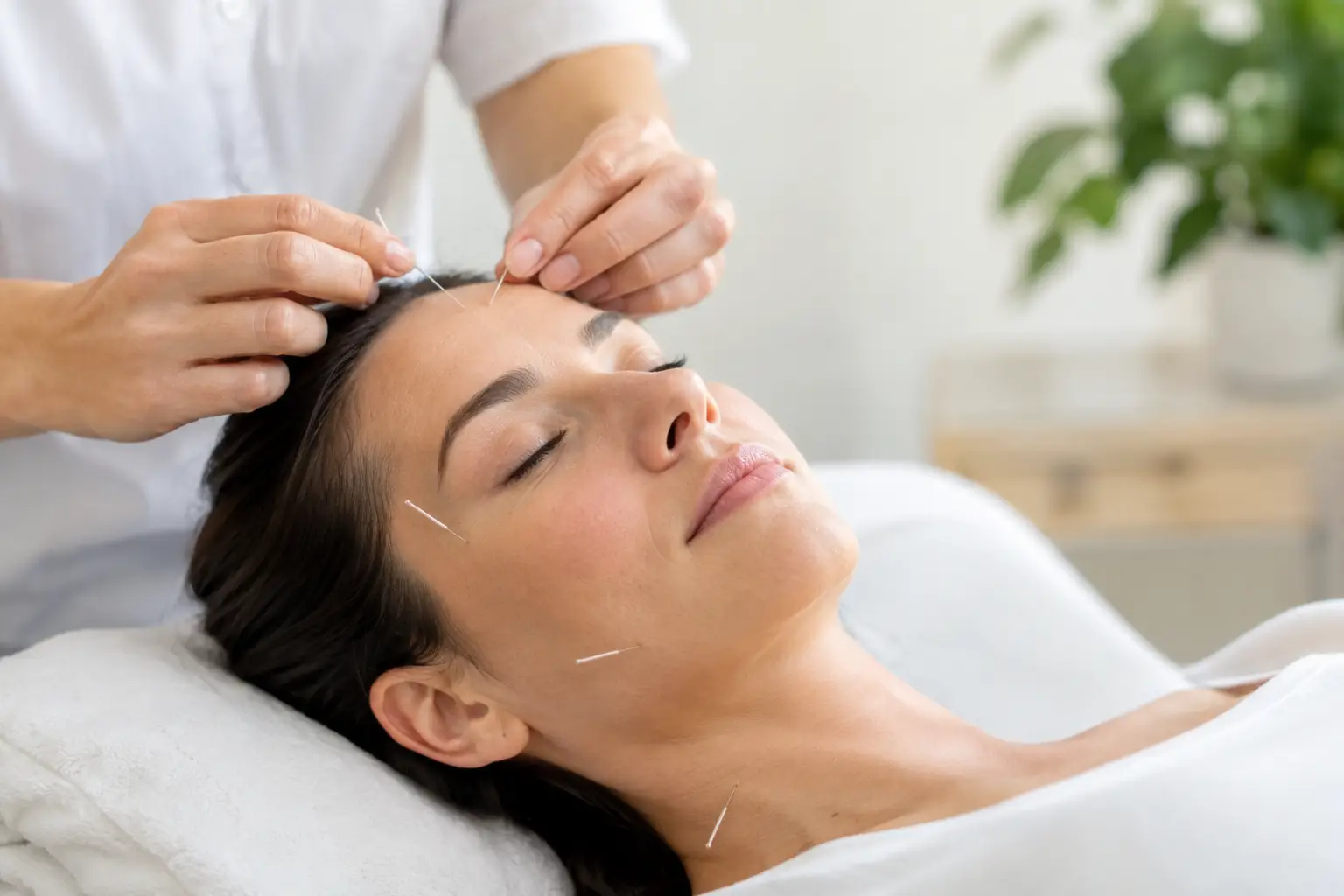
Does Acupuncture Hurt? What You May Feel
For many first-time patients, the biggest question is simple: does acupuncture hurt? The short answer is that it usually feels far less intense than people expect. Acupuncture needles are extremely thin, and most people describe the experience as a brief pinch, a subtle tingling sensation, warmth, heaviness, or sometimes almost nothing at all.
That said, every body and every treatment area is different. A thoughtful acupuncture provider will explain what to expect, check in with you throughout your appointment, and adjust the treatment when needed. You should never feel like you have to push through sharp or distressing pain.
Does Acupuncture Hurt During Treatment?
Acupuncture does involve needles, but they are not comparable to the hollow needles used for injections or blood draws. Acupuncture needles are solid and hair-thin. In many cases, the sensation of insertion is so mild that patients are surprised when the needle is already in place.
Some points may be more sensitive than others. Areas with less soft tissue, such as the hands, feet, ears, or lower legs, can feel sharper for a moment. Tight, irritated muscles may also be more reactive. If you are seeking care for a stubborn neck knot, low back pain, runner’s knee, or a recent sports injury, the tissues being treated may already be tender before the session begins.
A brief sensation does not necessarily mean something is wrong. In acupuncture, a feeling of dull pressure, spreading warmth, mild ache, heaviness, or a quick electric-like sensation can occur when a point is stimulated. These sensations should be temporary and manageable, not severe. Tell your practitioner right away if anything feels sharp, burning, or overwhelming.
What Acupuncture Needles Actually Feel Like
People often arrive expecting the discomfort of a vaccine, then discover that acupuncture feels entirely different. With an injection, fluid is pushed into tissue through a larger hollow needle. Acupuncture uses very fine, sterile, single-use needles that are gently placed at specific points on the body.
After insertion, you may feel little or nothing while you rest. Some people notice a calming, heavy sensation in the limbs. Others feel a gentle pulse, warmth around a needle, or a temporary twitch in a tight muscle. It is also common to feel deeply relaxed during treatment, especially when stress, poor sleep, or persistent pain has kept the nervous system on high alert.
Your experience can depend on several factors, including your sensitivity that day, the location of the points, your hydration, sleep, stress level, and the condition being treated. There is no prize for tolerating discomfort. Good acupuncture care is collaborative, and your feedback helps guide the session.
Why Some Points Feel Stronger
Muscles that are tight, overworked, or irritated can respond more noticeably to a needle. For example, a person with shoulder tension from desk work may feel a deeper ache in the upper back, while a runner with a strained calf may notice a small twitch or cramp-like release in that muscle.
This does not mean the treatment should hurt significantly. A skilled provider can change the angle, depth, stimulation, or point selection if a sensation is too strong. Sometimes simply repositioning your body, taking a slow breath, or using a different point makes treatment much more comfortable.
Is Soreness Normal After Acupuncture?
Most patients leave acupuncture feeling relaxed, lighter, or less tight. Mild soreness at a treated point can happen, particularly when addressing tense muscles or an area that was already painful. It is often similar to the tenderness you might feel after massage or exercise and typically settles within a day or two.
Occasionally, small bruises can occur. They are more likely if you bruise easily or take medications or supplements that affect clotting. Share your health history and current medications with your provider before treatment so your plan can be adapted appropriately.
Contact your provider if you have pain that is severe, persistent, or getting worse after treatment. While significant complications are uncommon when acupuncture is performed by a properly trained professional using clean needle practices, your comfort and safety should always come first.
How to Make Your First Acupuncture Visit More Comfortable
A little preparation can help you walk in feeling more at ease. Have a light meal beforehand rather than arriving hungry, and drink water during the day. Wear comfortable clothing that gives your provider access to the area being treated, or allows you to change easily in a private treatment room.
It also helps to be honest about needle anxiety. Many people feel uneasy before their first session, even if they know acupuncture may support their recovery or wellness goals. Your provider can start with fewer needles, choose less sensitive areas, keep you lying down, and explain each step before it happens. You can also ask not to watch needle insertion.
If you have fainted around needles before, let the clinic know in advance. Treatment can be modified so you are positioned safely and monitored closely. The goal is to make care feel approachable, not intimidating.
When Acupuncture Sensations Need Attention
A mild pinch, dull ache, warmth, or twitch can be within the normal range. Sharp, burning, escalating, or lingering pain is not something to ignore. Speak up as soon as you notice it. Your practitioner can remove or adjust the needle immediately.
You should also share relevant medical information before your appointment, including pregnancy, a bleeding disorder, use of blood-thinning medication, a history of fainting, skin irritation or infection near the treatment area, and any major changes in your health. Acupuncture is not one-size-fits-all. The safest and most effective approach considers your health history, symptoms, comfort level, and goals.
Acupuncture Is Part of a Personalized Recovery Plan
For some people, acupuncture is used to help manage muscle tension, joint discomfort, headaches, stress, sleep concerns, or recovery from activity. For others, it may complement physiotherapy, massage therapy, chiropractic care, exercise rehabilitation, or other elements of a coordinated plan.
That broader approach can be especially helpful when pain has more than one contributor. A sore hip, for instance, may involve irritated soft tissue, restricted mobility, movement habits, training load, and strength deficits. Acupuncture may be one useful tool, but it is not always the only tool. The right plan focuses on what will help you move, function, and feel better over time.
At Momentum Therapy, acupuncture care is approached with the same attention given to every recovery plan: listen first, assess carefully, and tailor treatment to your needs. Whether you are returning to sport, managing tension from long workdays, or looking for support with a longer-standing concern, you deserve clear answers and care that respects your comfort.
If fear of pain has kept you from trying acupuncture, bring that concern to your first appointment. A good provider will not dismiss it. They will help you understand each step, move at a pace that feels manageable, and make adjustments so you can focus on what matters most: feeling more confident in your body and your recovery.